How to Choose the Right Buggy for a Dubai Desert Ride
Choosing a buggy in Dubai is less about picking the loudest machine and more about matching the ride to the person, the terrain and the kind of day planned. A short spin over firm sand feels very different from a longer route across soft dunes, and a vehicle that suits one rider may be awkward for another. Start with the basics, then narrow the choice step by step.
Start with the rider, not the vehicle
First, be clear about who will be riding. A single-seater buggy puts the driver in full control and suits someone who wants a focused off-road driving experience. A passenger buggy works better when two people want to share the trip, especially if one rider is less confident or wants to enjoy the desert without handling the controls.
Age, height and physical comfort all matter. A rider should be able to sit with a straight back, reach the controls without stretching and brace their feet firmly. If a person feels cramped before the engine starts, the ride will feel worse once the buggy begins moving over sand dunes. Ask about seating limits and any minimum age rules before making plans, since requirements can vary by operator and vehicle type.
It also helps to be honest about experience. A first-time rider may prefer a calmer route, clear instructions and a vehicle that feels predictable. Someone used to off-road driving may want more technical handling. Matching skill level early prevents a situation where the machine feels too much to manage or too mild to be interesting.
Decide what kind of ride you want
Next, define the purpose of the trip. Some people want a short introduction to dune buggy driving, while others want a fuller desert safari with stops, photos and time in the open desert. The vehicle choice changes with that purpose.
For a short ride, comfort and ease of control matter most. Look for a buggy that is simple to steer, has a clear seating position and does not require complex handling from the start. For a longer outing, pay closer attention to seat support, visibility, storage space and how easy it is to get in and out repeatedly.
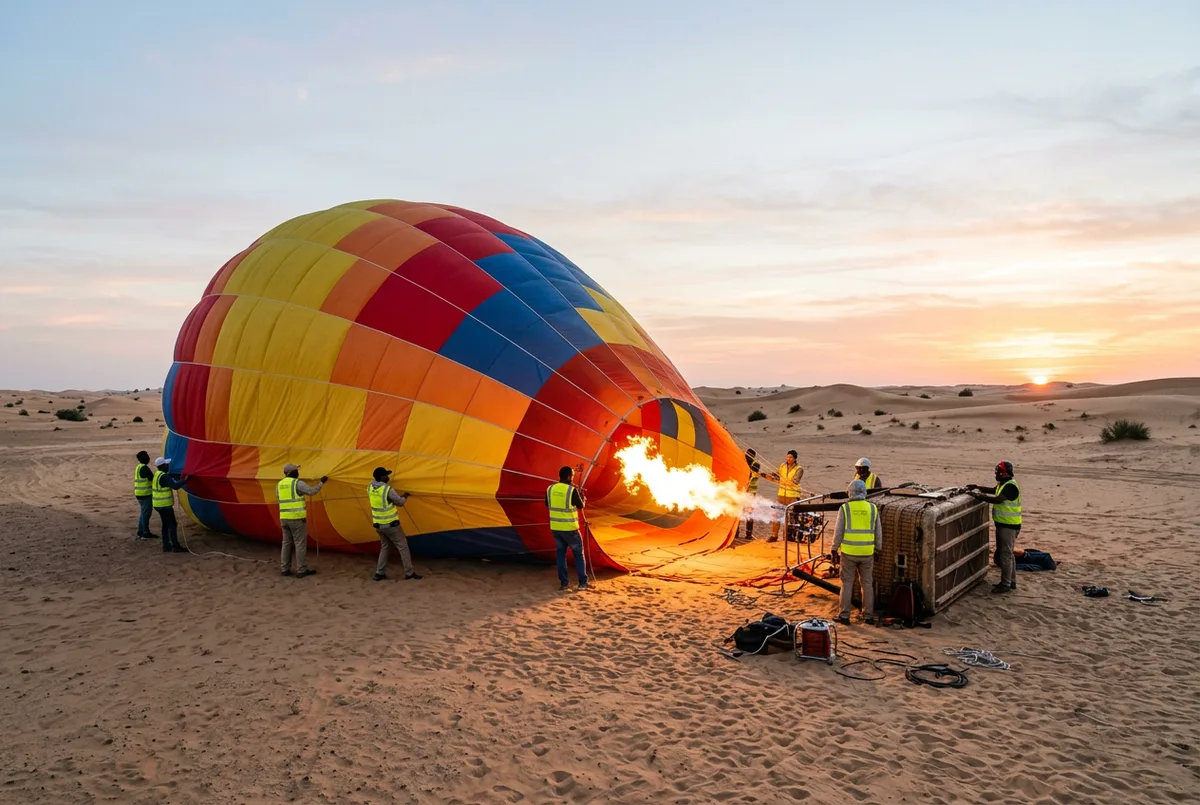
Think about pacing too. Fast driving over uneven sand can be tiring, even for confident riders. A route that allows steady progress and short pauses often feels better than one built around speed alone. If the aim is to enjoy the landscape, choose a setup that encourages relaxed control rather than constant correction.
Check the route and terrain
Dubai terrain can shift from firm desert tracks to loose, rolling sand within a short distance. Before choosing a buggy, ask what kind of ground the route includes. Firm sand is forgiving and easier for new riders. Soft dunes demand more patience, smoother steering and a vehicle that responds predictably when traction changes.
Watch for routes that promise dramatic dunes but do not explain how they handle different ability levels. A good choice should fit the terrain and the rider together. If the plan includes steep slopes, sharp turns or narrow tracks, the buggy needs to feel stable and easy to control. If the route is mostly open desert, comfort and visibility become more important.
Weather also plays a part. Heat affects comfort, and bright light can make it harder to judge dips and ridges in the sand. Sunglasses, water and suitable clothing can make the ride more comfortable, but they do not replace a sensible vehicle choice. In hotter conditions, a shorter ride with clear breaks may be wiser than a long route that pushes everyone too hard.
Compare single-seater and passenger options
Once the route and rider needs are clear, compare the main vehicle types. A single-seater buggy gives the driver a direct feel for the machine and avoids disagreement over who controls the ride. It can be a good fit for solo riders or two people who each want their own vehicle. The trade-off is that there is no one to share the workload or help with navigation.
A passenger buggy suits pairs who want to travel together. It can feel more relaxed for a rider who is new to sand driving, as the driver can focus while the passenger enjoys the route. The trade-off is that comfort depends heavily on seat layout and space. Check that both people can sit without rubbing shoulders, that legs are not squeezed and that the passenger can hold on comfortably.
Group rides need extra thought. If several people are going out together, similar vehicles tend to keep the pace more even. Mixing very different buggies can stretch the group, with some riders waiting while others push ahead. It is better to choose around the slowest confident rider than to plan around the fastest one.
Look closely at safety gear and fit
Safety gear is a core part of the decision. A helmet should fit properly, sit level on the head and stay secure without pressing painfully. A loose helmet can shift at the wrong moment, while one that is too tight becomes distracting. Ask what sizes are available and whether the gear is suited to the ride planned.
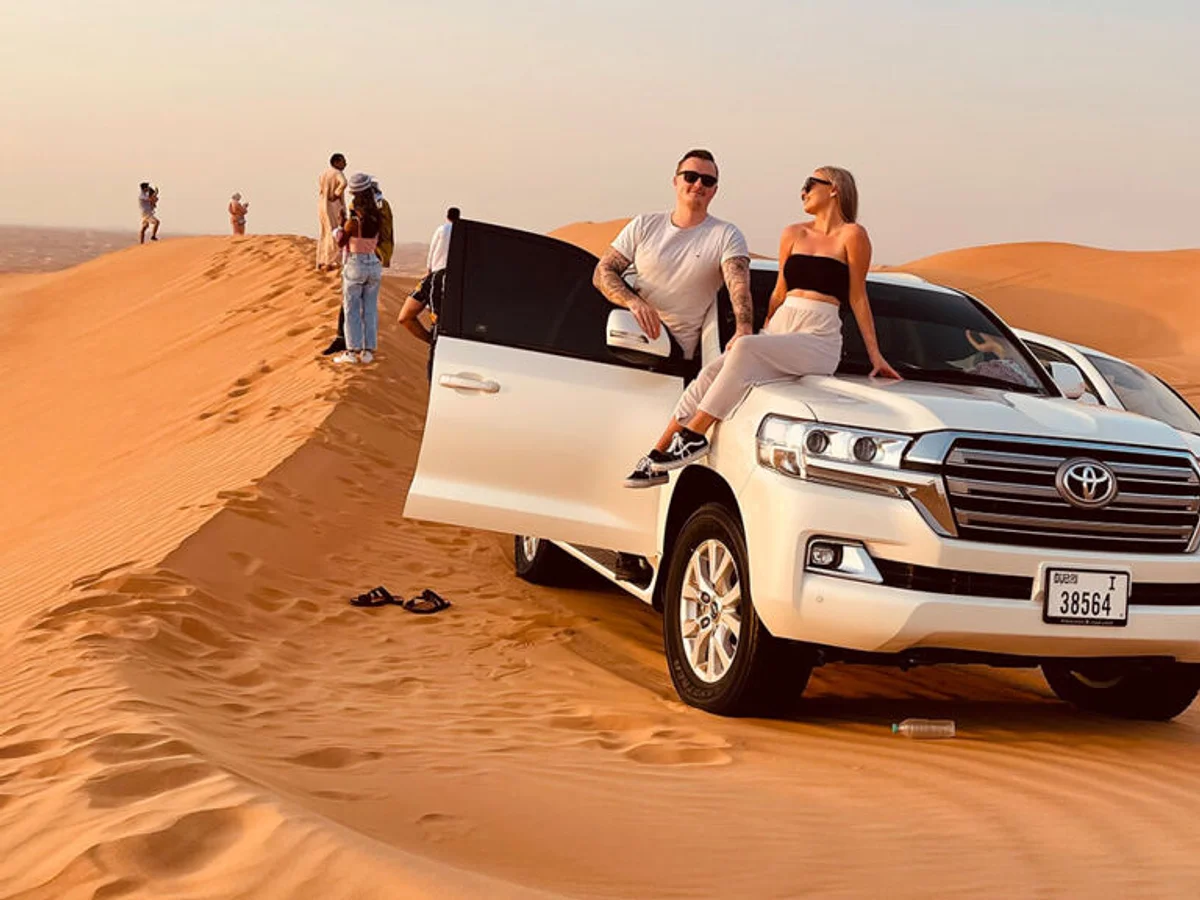
Seat belts and seating structure deserve attention as well. The rider should be able to sit upright, reach the pedals or controls and stay steady over bumps. Before accepting any vehicle, take a moment to check that the seating feels solid and that nothing obvious is loose or damaged. If something looks wrong, the sensible move is to raise it before the ride begins.
Clothing also affects safety and comfort. Closed shoes are more practical than sandals because they protect feet and help with pedal control. Light, breathable layers work better in heat, while loose scarves or hanging accessories can catch awkwardly. Long hair should be secured, and small items should be kept somewhere safe rather than in pockets where they may fall out.
Ask the right questions before booking
Good questions prevent most bad choices. Ask how long the ride lasts, what the route covers and whether the pace is adapted to the group. Ask what kind of buggy is recommended for the riders involved, and why. A clear answer should refer to the terrain, the vehicle type and the experience of the rider, not just a general claim that one option is best.
Also ask what is included in the outing, such as safety gear, guidance, water or transport to the starting point. Details like these shape the overall experience, even when the buggy itself seems suitable. If plans include laps and tours, ask how many laps are involved and what each lap feels like in practice. A few short laps may suit a beginner better than a long continuous route.
For a quick reference, these questions are worth asking before committing:
- Is this buggy suited to my height, age and experience level?
- What terrain will the route include, and how hard is it?
- What safety gear is provided, and are different sizes available?
- Is the ride private, shared or adjusted to the group pace?
- What happens if weather or comfort becomes an issue during the outing?
One useful place to begin comparing options is atvridedubai.com, especially when the aim is to keep the choice focused on the ride itself rather than on assumptions. A clear comparison should make the vehicle type, route style and rider fit easier to judge before the day arrives.
Read the terms and confirm the details
After choosing a likely option, slow down and read the booking details. Check the meeting point, start time, duration and what happens if plans change. Confirm whether the ride is for one driver, two riders or a group, and whether vehicle allocation is fixed or decided on the day. These details help avoid surprises once everyone is ready to head into the desert.
Pay attention to rules around age, driving licence requirements and passenger limits. Such rules are not minor formalities. They exist because different vehicles demand different levels of control and judgement. If a rule seems unclear, ask for clarification rather than assuming it will be overlooked.

It is also worth checking how the operator handles safety briefings. A proper briefing should explain hand signals, stopping procedures, spacing between vehicles and what riders should do if they feel uncomfortable. The briefing should happen before movement begins, not halfway through the route.
Make the final choice with comfort in mind
The right buggy dubai choice is usually the one that fits the whole plan, not just the machine. A confident rider on a suitable route will get more from the experience than someone placed in a powerful vehicle that feels difficult to manage. Think about control, seating, terrain, safety gear and pace together.
If two options seem similar, choose the one that feels easier to understand and more comfortable for the least experienced rider. That approach keeps the ride relaxed and reduces the chance of fatigue. A good desert outing should feel organised from the first question to the final return, with the buggy supporting the experience rather than becoming the problem.
Before the day, keep the plan simple. Confirm the essential details, wear practical clothing, arrive with time to spare and listen carefully to the briefing. When the vehicle matches the rider and the route, the desert feels more enjoyable and far less intimidating. For anyone comparing options, atvridedubai.com can serve as one reference point while the final decision stays grounded in rider fit, terrain and basic safety.